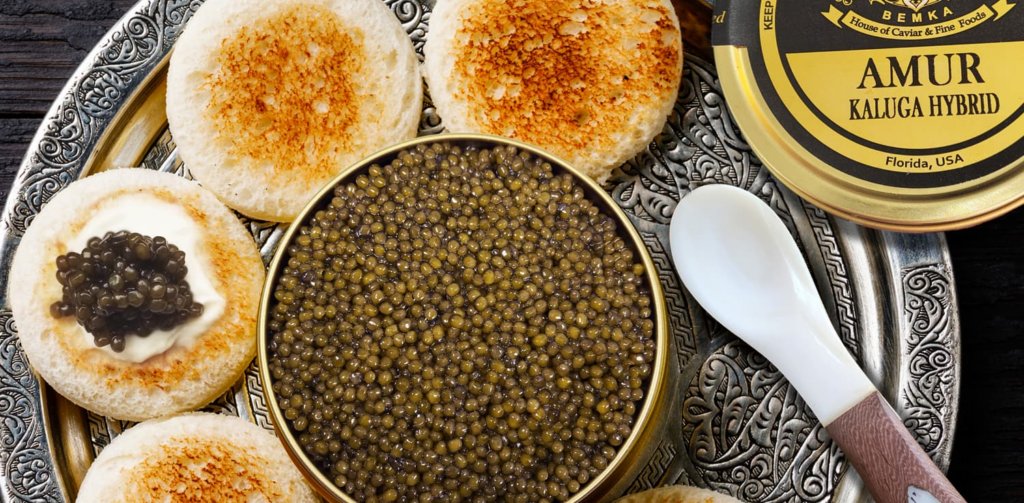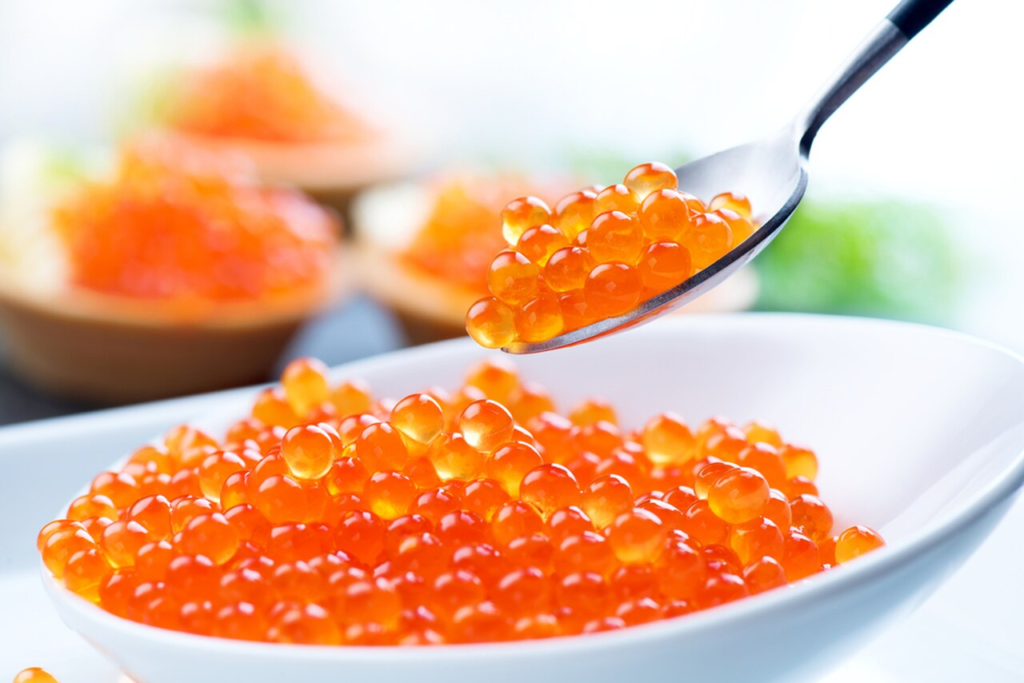
For the true foodies, the hallmark of a world-class tasting isn’t just the flavour. It is the “pop”. That singular, fleeting moment when the egg membrane bursts against the palate, releasing a cascade of oceanic creaminess, is the ultimate litmus test for quality.
But what actually creates that perfect snap?
Understanding the biological journey of sturgeon caviar is key to appreciating why certain tins command a higher caviar price.
It isn’t just about the species; it is about the age of the fish and the mastery of the harvest.
Age Equals Texture
Why is sturgeon maturity the ultimate creator of texture?
We have to look past the plate and into the cellular biology of the oocyte (the egg cell). In caviar, maturity isn’t just a number; it is a chemical and structural transformation of the egg membrane and its internal lipid composition.
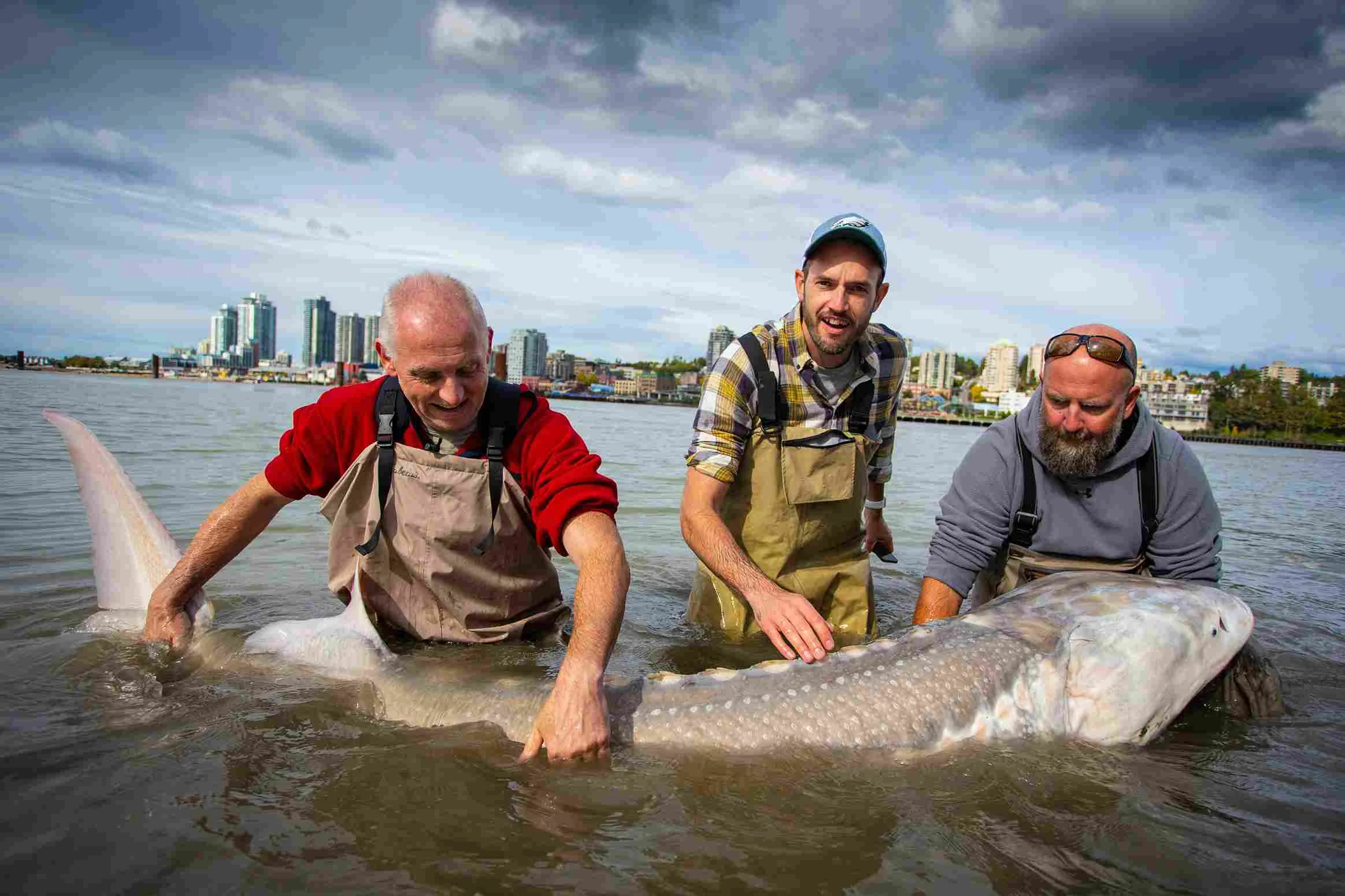
A sturgeon’s life is a marathon, not a sprint. While younger fish may produce roe, it is the mature females (often aged between 10 and 20 years) that yield the most coveted pearls. A younger fish has a “fragile” chorion that collapses under the slightest pressure, resulting in a “mushy” texture.
As a sturgeon matures and reaches the late vitellogenic stage, the proteins within the chorion (specifically ZP proteins, or zona pellucida proteins) undergo increased cross-linking. This is because mature sturgeon have a high-density protein wall that resists pressure until it reaches a breaking point, resulting in the clean, audible “snap”.
In “Reserve” or “Selection” grades from brands like Calvisius or N25, the eggs are harvested at the peak of the sturgeon’s biological cycle.
This results in a larger grain with a firm, taut exterior that provides that iconic, clean burst. This meticulous timing is a core part of how caviar is made and is what separates a standard product from premium caviar.
Frequently Asked Questions
Does a louder “pop” mean better caviar?
Not necessarily. A clean, firm snap is a sign of maturity and freshness, but some varieties, like Albino Sterlet, are naturally more “velvet” and soft. However, for Russian or Siberian sturgeon, a lack of ‘pop’ usually indicates either a young fish or poor temperature control.
Why is premium Indonesian caviar often firmer than cheaper roe?
High-end brands like Russian Caviar House allow their fish to reach full maturity. Cheaper roe is often harvested as soon as possible, resulting in smaller, softer eggs that lack the complex texture of a fully matured sturgeon.
How does the price reflect the texture?
The caviar price is heavily influenced by the years a farmer must wait for the sturgeon to reach peak maturity. You are essentially paying for a decade or more of care to ensure that perfect membrane strength.
Can I buy caviar online and still get that fresh texture?
Yes, provided you use a specialist. At Caviar.id, our shipping is designed to mimic the producer’s cellar. For a full look at our delivery standards, check our complete guide to ordering fresh caviar.