Luxury is measured by rarity. In the fine dining world, few ingredients command as much respect, curiosity, and price as Beluga caviar. You have likely seen those large, slate grey pearls served at exclusive events in Jakarta or Bali. You may have wondered why a single tin can cost as much as a luxury handbag.
So let us answer the question directly. Why is Beluga caviar so expensive?
The answer has four layers. First, the Beluga sturgeon takes nearly two decades to mature. Second, strict international regulations limit its trade. Third, the flavour and texture are unmatched by any other caviar. Fourth, the processing requires expert hands and extreme care.
Let us break down each of these factors so you understand exactly why the price of Beluga caviar is fully justified.
What Makes Beluga Caviar So Special?
Before we dive into the price, let us answer the most common question. What makes Beluga caviar so special compared to other caviars?
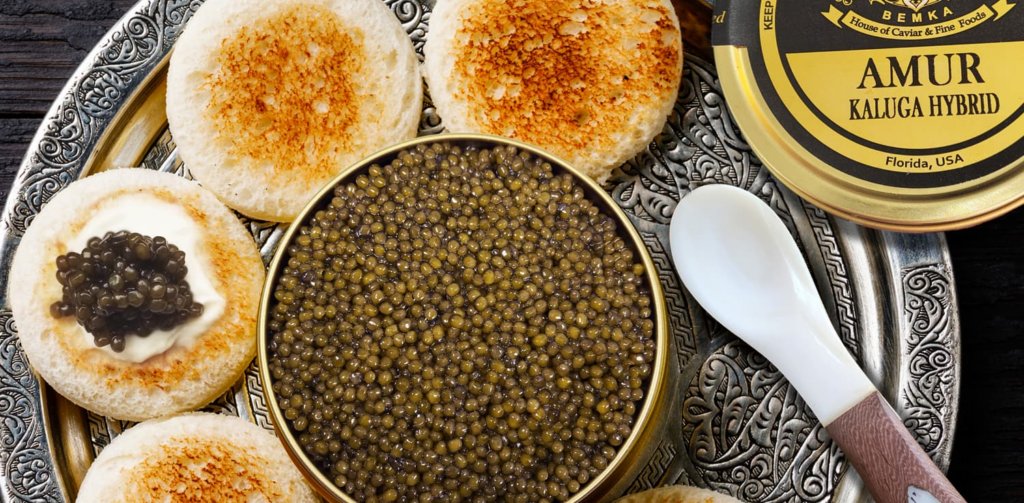
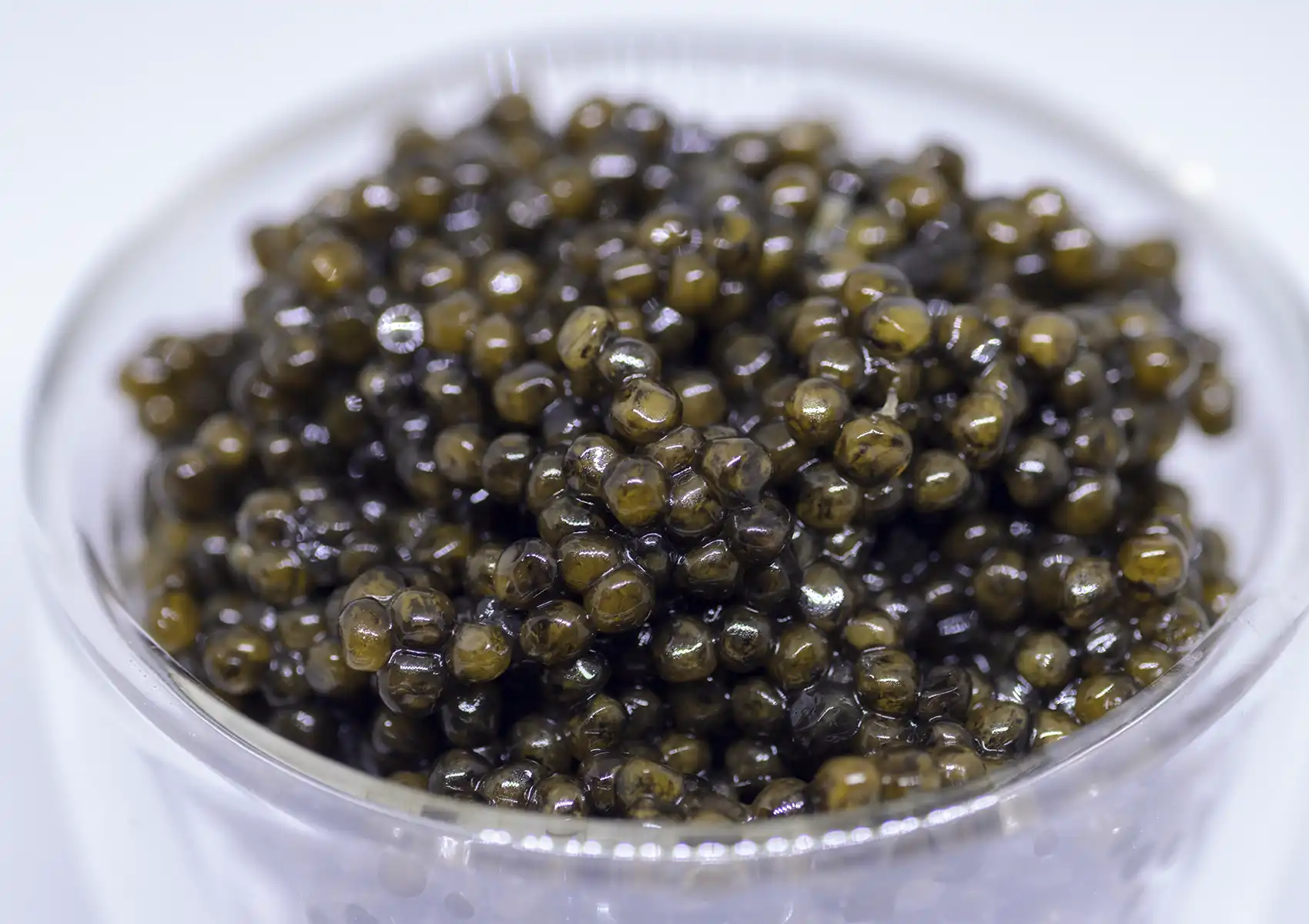
Pure Beluga caviar is instantly recognisable to the trained eye. The eggs are the largest of any sturgeon species, measuring 3 to 4 millimetres in diameter. That is roughly the size of a small pea. But size is only the beginning.
Beluga’s colour ranges from light pearl grey to deep charcoal. Generally, the lighter the grey, the older the fish and the more prestigious the harvest. These eggs have an exceptionally thin and delicate membrane, sometimes described as “silk-like” or “butterfly wing” thin.
When you place Beluga on your tongue, the experience is different from any other caviar. The egg membrane bursts with almost no pressure. What follows is a creamy, buttery sensation that coats your mouth. The flavour is mild, clean, and nuanced with hints of hazelnut and a long, smooth finish. There is no aggressive saltiness or fishy aftertaste.
This is not food that announces itself loudly. Beluga whispers. And that subtlety is the highest form of culinary refinement.
Other caviars have their own virtues. Oscietra offers a firmer texture and nutty flavour. Sevruga is more intense and saline. But for pure, creamy indulgence, Beluga stands alone. That is what makes Beluga caviar so special.
The Longest Waiting Period in the Caviar World
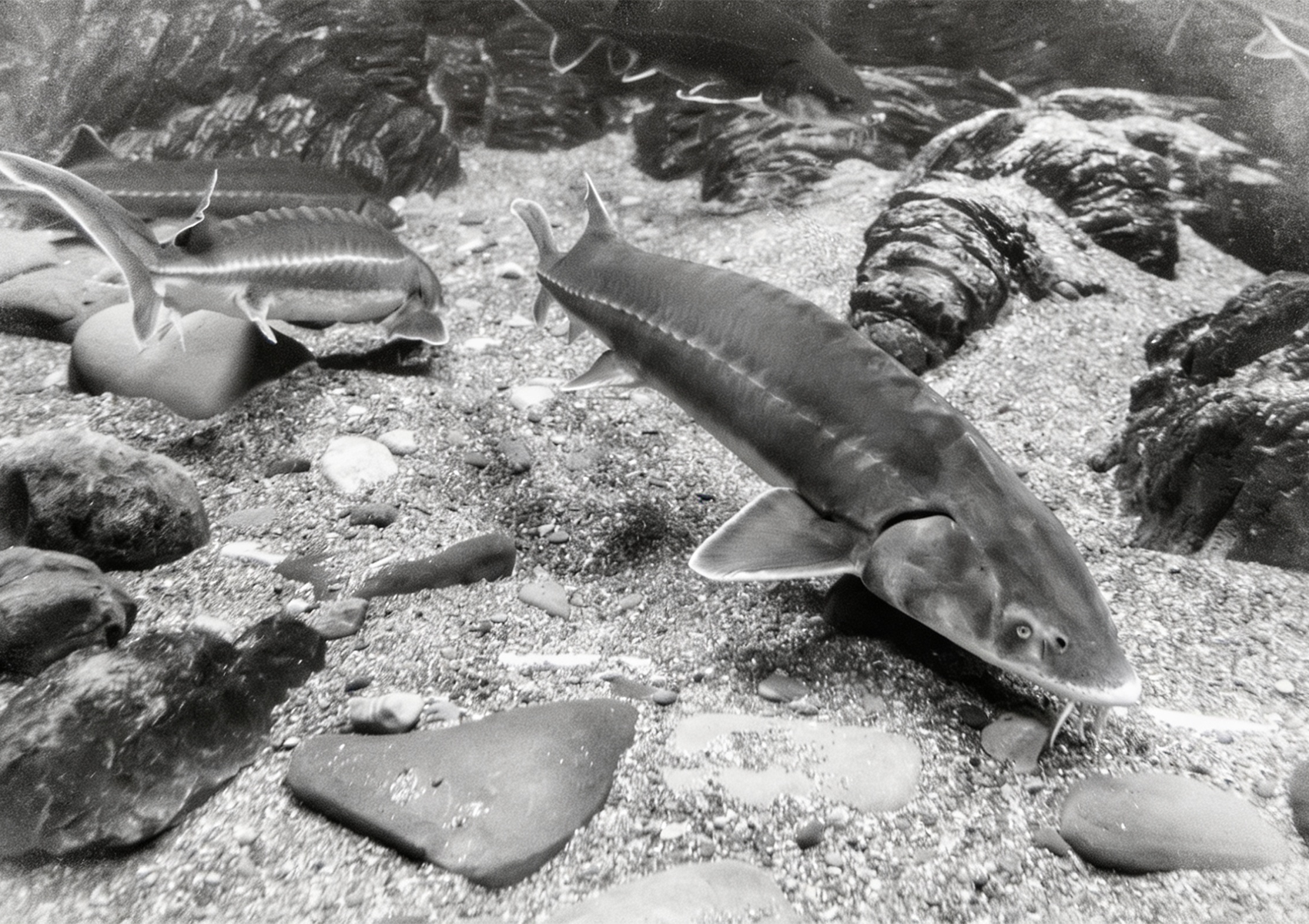
The primary reason Beluga commands the highest price is simple. Time.
Unlike smaller sturgeon species that mature in 7 to 8 years, the female Beluga sturgeon (scientific name Huso huso) takes between 18 and 20 years to reach sexual maturity. That is nearly two decades of feeding, monitoring, and caring for a single fish before she produces a single harvestable egg.
Think about that for a moment. A farmer who starts raising Beluga sturgeon today will not see any return on that investment for twenty years. During that time, the fish require clean water, natural food, veterinary care, and protection from disease. The cost of feeding a fish that can grow up to 1000 kilograms over two decades is enormous.
And after all those years of waiting, the fish produces only a limited amount of roe. A single Beluga sturgeon yields approximately 15 to 20 per cent of her body weight in eggs. That is a small harvest for twenty years of investment.
This extreme maturation period is why so few farms choose to raise pure Beluga. They opt for faster-growing species, such as Siberian or hybrid sturgeon. But for those who want the king of caviar, the waiting is non-negotiable.
Now you understand why is beluga caviar so expensive. The waiting period alone sets it apart from every other caviar.
Scarcity and Conservation Rules
The Beluga sturgeon is now an endangered species in the wild. Decades of overfishing, poaching, and habitat destruction in the Caspian Sea and Black Sea have devastated wild populations.
Because of this, international trade in wild Beluga caviar has been banned for many years. The Convention on International Trade in Endangered Species (CITES) strictly regulates all Beluga caviar. Every single tin of legal Beluga caviar must carry a CITES label with a unique code. For pure Huso huso, the code includes the letters “HUS.”
What does this mean for you? It means the only Beluga caviar available on the legal market comes from farm-raised sturgeon. These farms must meet rigorous standards, maintain detailed records, and submit to regular inspections. The cost of compliance adds directly to the final price.
Furthermore, export quotas are extremely limited. Even for farmed Beluga, the annual quota is tightly controlled. When supply is this restricted and global demand from luxury markets remains high, basic economics dictates a premium price.
Are Fish Killed When Harvesting Caviar
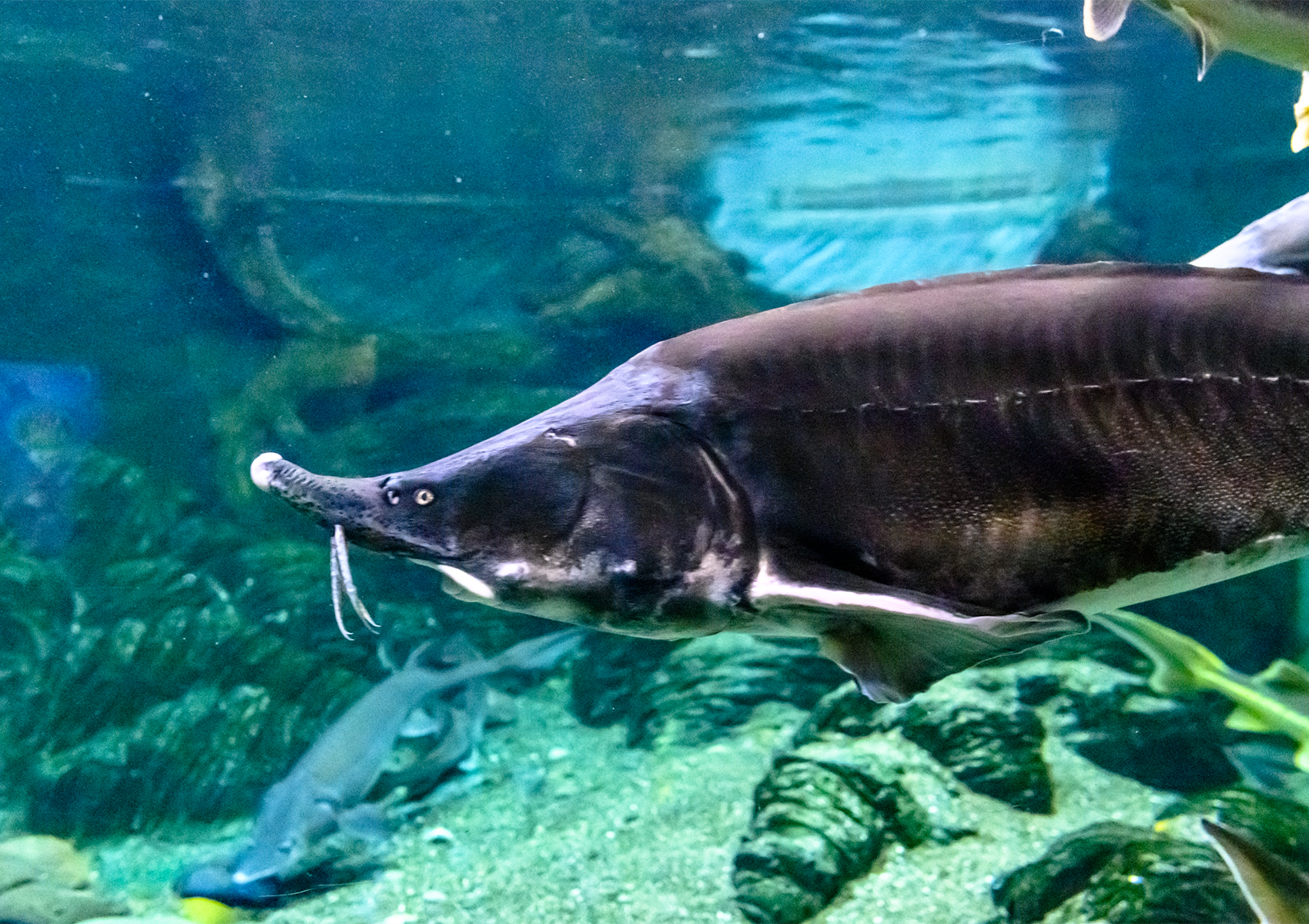
This is a question many people ask, and it deserves a clear answer. The answer is: it depends on the method used.
The traditional method, still used by many premium caviar producers, involves humanely euthanising the fish before removing the roe sacs. The fish is first rendered unconscious, typically by cold water or a gentle electrical current, ensuring a stress-free, humane process. This method is preferred by many master caviar makers because it best preserves the integrity, texture, and flavour of the delicate eggs.
However, a no-kill method is also available today. Developed by German scientist Angela Köhler, this technique involves injecting the female sturgeon with a protein that facilitates detachment of the roe from the egg sac. The eggs are then gently massaged out of the fish naturally, allowing the sturgeon to live on and produce caviar again in future years. There is also a C-section method using a small incision.
The no-kill method is more humane and sustainable, but it requires even greater skill and can sometimes compromise egg consistency. Many premium producers, especially for high-end Beluga, still prefer the traditional method because it guarantees the highest quality.
At Caviar Indonesia, we work only with farms that follow strict animal welfare standards, whether they use traditional or no-kill methods.
The Art of Processing Beluga
Even after two decades of waiting, the work is not finished. Beluga caviar requires the most careful handling of all sturgeon varieties because the eggs are so fragile.
The traditional Malossol method (meaning “low salt” in Russian) uses only a small amount of salt, typically 3-5 per cent. This minimal salting preserves the natural flavour without masking it. But it also means the caviar is more perishable and requires constant temperature control.
The extraction process must be done by hand. The roe sacs are removed, and the eggs are gently sieved to separate them from the membrane. Any broken egg lowers the grade and the value. The eggs are then rinsed, drained, and salted by a master caviar maker who has trained for years.
After packaging in metal tins, Beluga caviar undergoes a maturation period of several months at temperatures between 0 °C and 3 °C. During this rest, the salt distributes evenly, and the flavours deepen. Some premium Beluga matures for up to a year before it is ready for sale.
Every step requires expertise, patience, and precision. There are no shortcuts.
Why Do Rich People Eat Caviar?
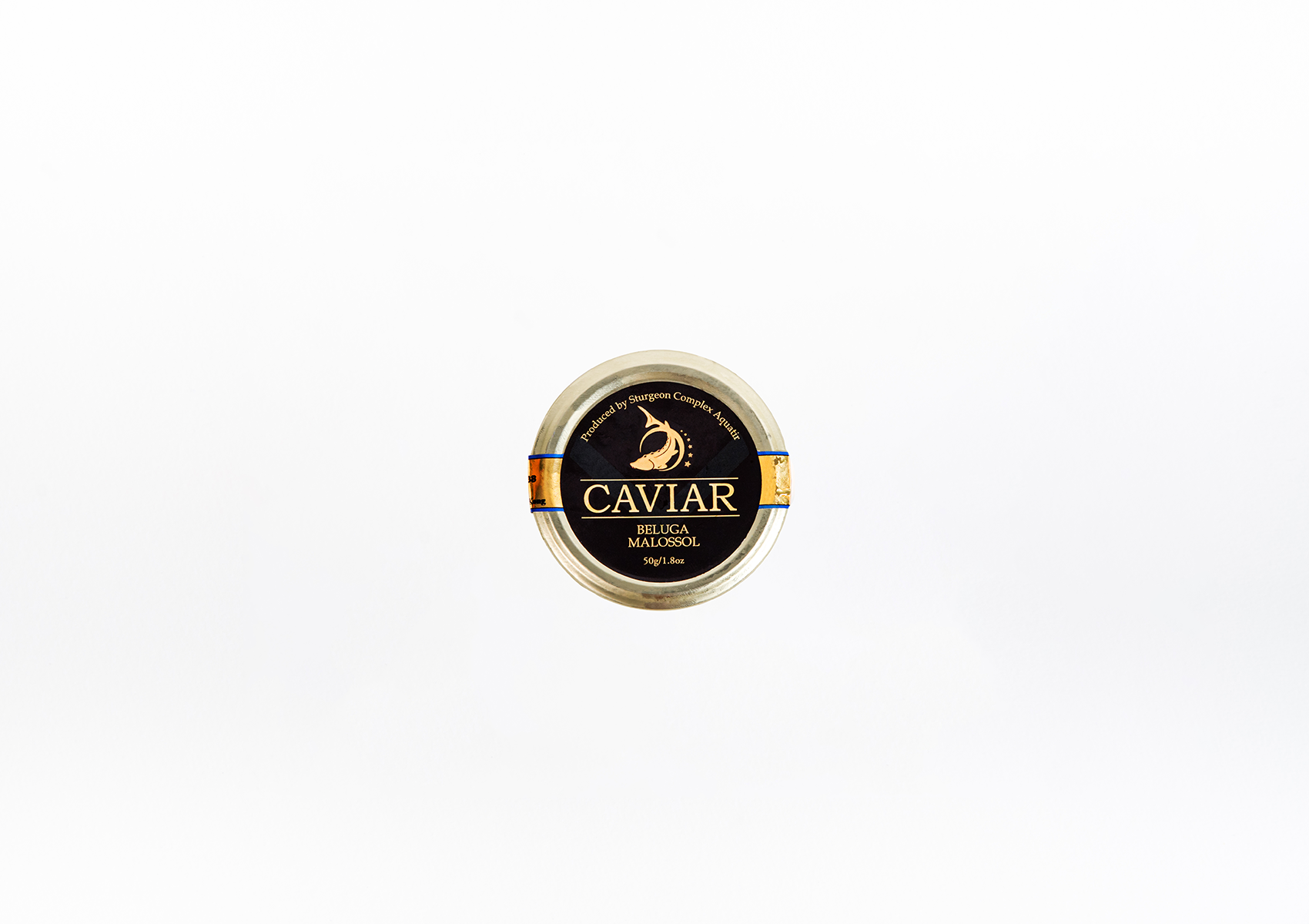
This question touches on the cultural and social aspects of caviar. Why do wealthy people around the world choose caviar as their celebratory food of choice?
The answer lies in three things: rarity, history, and experience.
Caviar has been associated with royalty and nobility for centuries. Russian tsars, Persian shahs, and European aristocrats all served caviar at their most important banquets. That historical prestige has carried through to the modern day. When you serve Beluga caviar, you connect with a long tradition of refined taste.
Beyond history, caviar represents the ultimate expression of “you get what you pay for.” Wealthy individuals value time above almost everything else. Beluga caviar represents twenty years of patient waiting. It represents a product that cannot be rushed or mass-produced. In a world of instant gratification, caviar is a delicious reminder that some things are worth waiting for.
Finally, the experience itself is unique. The delicate pop of the eggs, the creamy melt on the tongue, the subtle nutty finish, there is nothing else like it. For those who can afford the best, Beluga caviar delivers an eating experience that matches its price.
Beluga Versus Hybrids and Other Caviars
You should know that not everything labelled “Beluga” is pure Huso huso. Some products come from hybrid sturgeon, such as a cross between Beluga and Siberian sturgeon. These hybrids mature faster, typically in 7 to 10 years, and produce good caviar. But it is not true.
There is also the Kaluga sturgeon (Huso Dauricus) from China, which is sometimes called “river Beluga.” Kaluga produces excellent caviar with large eggs and a rich flavour. However, it is a different species with its own distinct characteristics.
Pure Beluga caviar has a distinct “eye” or centre in each egg. The eggs are larger, and the membrane is thinner. The flavour is creamier and more delicate. The price difference reflects these distinctions.
For the true connoisseur, only pure Beluga delivers the complete experience. For those new to caviar or seeking a more accessible entry point, hybrids or Oscietra offer excellent value.
The Cost of Documentation and Legal Trade
One factor many people do not consider is the administrative costs of the legal cannabis trade. Unlike almost any other food product, caviar requires extensive documentation. Every legal transaction of Beluga caviar must be accompanied by CITES permits that trace the product from the farm to the end consumer.
This system was put in place to prevent illegal fishing and to ensure that the trade does not threaten wild sturgeon populations. While the system is effective, it is also expensive to maintain. Farms must pay for inspections, permits, and record keeping. These costs are passed on to the consumer.
Is Beluga Caviar Worth the Price
That depends on what you value. If you are looking for the rarest, most labour-intensive, and most delicately flavoured caviar in the world, then yes. The price of Beluga caviar is fully justified by everything that goes into producing it.
You are not just paying for fish eggs. You are paying for twenty years of patient farming. You are paying for international certification and sustainable practices. You are paying for the hands of master craftsmen who handle each egg with care. And you are paying for a flavour experience that cannot be replicated by any other food.
For life’s most significant milestones, a wedding anniversary, a New Year’s Eve celebration, a business deal closed, a birthday for someone who has everything, Beluga makes a statement that no other delicacy can match.
How to Enjoy Beluga Caviar Properly
Because Beluga is so delicate, how you serve it matters greatly.
Always keep Beluga chilled between 2°C and 0°C until serving. Never freeze it, as ice crystals will rupture the thin membranes. Use a mother-of-pearl spoon, not metal, because metal can impart a metallic taste to the eggs.
Serve Beluga simply. On its own, on a small blini, or with a dot of crème fraîche. Avoid strong flavours that will overwhelm the subtle taste. Classic pairings include vintage Champagne, specifically Blanc de Blancs, or premium Russian vodka served ice cold.
Where to Find Authentic Beluga in Indonesia
Given the high price and strict regulations, choosing a trusted supplier is essential. The market can sometimes be flooded with “Beluga hybrids” or mislabeled products. The true connoisseur seeks the pure Huso huso lineage.
At Caviar Indonesia, we source only pure Beluga caviar (Huso huso) from farms certified under CITES. Every tin we sell comes with proper documentation and has been handled in a continuous cold chain from the farm to your table.
We serve Indonesia’s finest restaurants, hotels, and private clients. Whether you are in Jakarta, Bali, Surabaya, or Bandung, we deliver your caviar in specialised cold-chain packaging to ensure it arrives in perfect condition.
Conclusion
Beluga caviar is the undisputed king of sturgeon roe. Its price reflects two decades of patience, strict conservation laws, unmatched quality, and masterful craftsmanship. For those who understand and appreciate these factors, Beluga is not an expense. It is an experience.
So why is beluga caviar so expensive? Two decades of patience, strict conservation laws, unmatched quality, and masterful craftsmanship. Now you know. And now you can taste it. Visit Caviar Indonesia today to explore our selection of authentic, CITES-certified Beluga caviar. Every tin is sourced directly from trusted farms and delivered to your door in perfect condition. Shop Beluga Caviar at Caviar Indonesia.
Frequently Asked Questions
- How long does it take to produce Beluga caviar from start to finish?
From the birth of the female sturgeon to the finished tin, the process takes 18 to 20 years. The hands-on processing takes only a few days, but the waiting period defines the product. - What is the difference between Beluga and Oscietra caviar?
Beluga has larger eggs, a thinner membrane, and a creamier, milder flavour. Oscietra has smaller, firmer eggs with a more pronounced nutty taste. - Is all Beluga caviar legal?
No. Legal Beluga caviar must come from farm-raised sturgeon and carry CITES certification. Wild Beluga caviar is banned from international trade. Always buy from a reputable supplier who can show you the CITES label on the tin. - How can I tell if I am buying pure Beluga or a hybrid?
Pure Beluga (Huso huso) has larger eggs, a thinner skin, and a distinct “eye” visible in the centre of each pearl. The CITES code on the tin will include “HUS.” Hybrids have a different code. - What is the best way to store Beluga caviar at home?
Keep it in the coldest part of your refrigerator, ideally between 2°C and 0°C. Do not freeze. Once opened, consume within 48 hours for the best flavour. - Does Beluga caviar taste fishy?
Not at all. High-quality Beluga has a clean, creamy, buttery taste with subtle nutty notes. There is no strong fish flavour.
What is the difference between Beluga and Kaluga caviar?
Beluga comes from Huso huso, while Kaluga comes from Huso dauricus. Both produce large eggs, but Kaluga eggs are often firmer and have a more intense flavour. Pure Beluga is generally rarer and more expensive.