Caviar is more than just a luxury ingredient. It is the result of a meticulous, centuries-old process that requires patience, precision, and a deep respect for the sturgeon. Understanding how caviar is made allows you to appreciate the craftsmanship behind every pearl.
The journey begins long before the harvest, spanning years of careful aquaculture and ending with the delicate art of salt curing.
What Is Caviar and Which Fish Does It Come From?
According to international food standards like the Codex Alimentarius, only the salted eggs (roe) from fish of the sturgeon family (Acipenseridae) can be called “real caviar.” While there are many types of fish roe available today, from salmon, trout, lumpfish, and paddlefish, true caviar comes exclusively from sturgeon.
This distinction matters because sturgeon are ancient fish. They have been swimming in our rivers and seas since the time of the dinosaurs. Their eggs carry a unique flavour profile: a slightly salty taste with nutty nuances and a fine, creamy melt that no substitute can truly replicate.
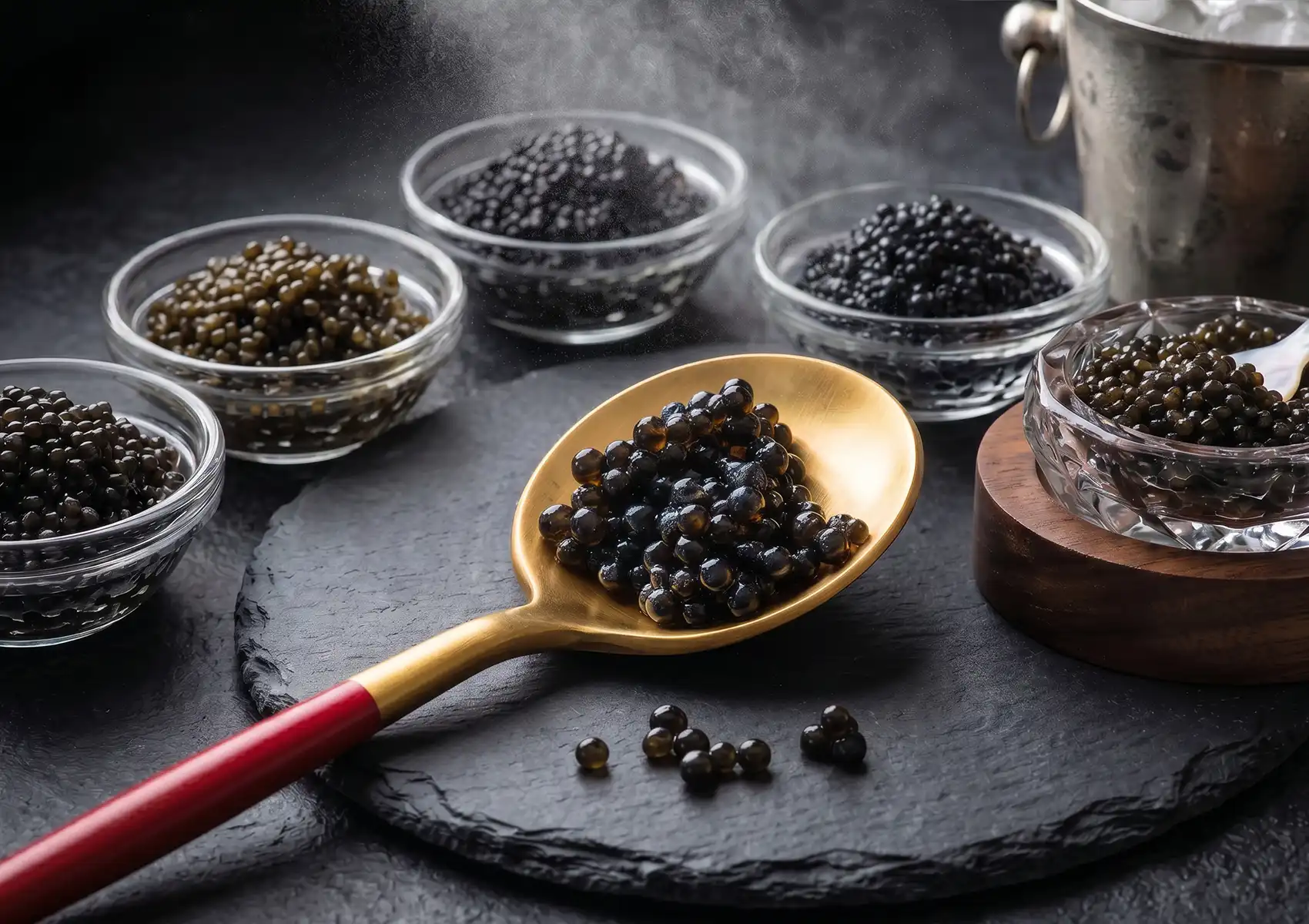
The most important sturgeon species for premium caviar production include the Beluga (Huso huso), the Russian sturgeon (Acipenser gueldenstaedtii), which produces Oscietra caviar, and the Siberian sturgeon (Acipenser baerii). Each species gives you a different grain size, colour, and flavour intensity.
How is Caviar Made Step by Step?
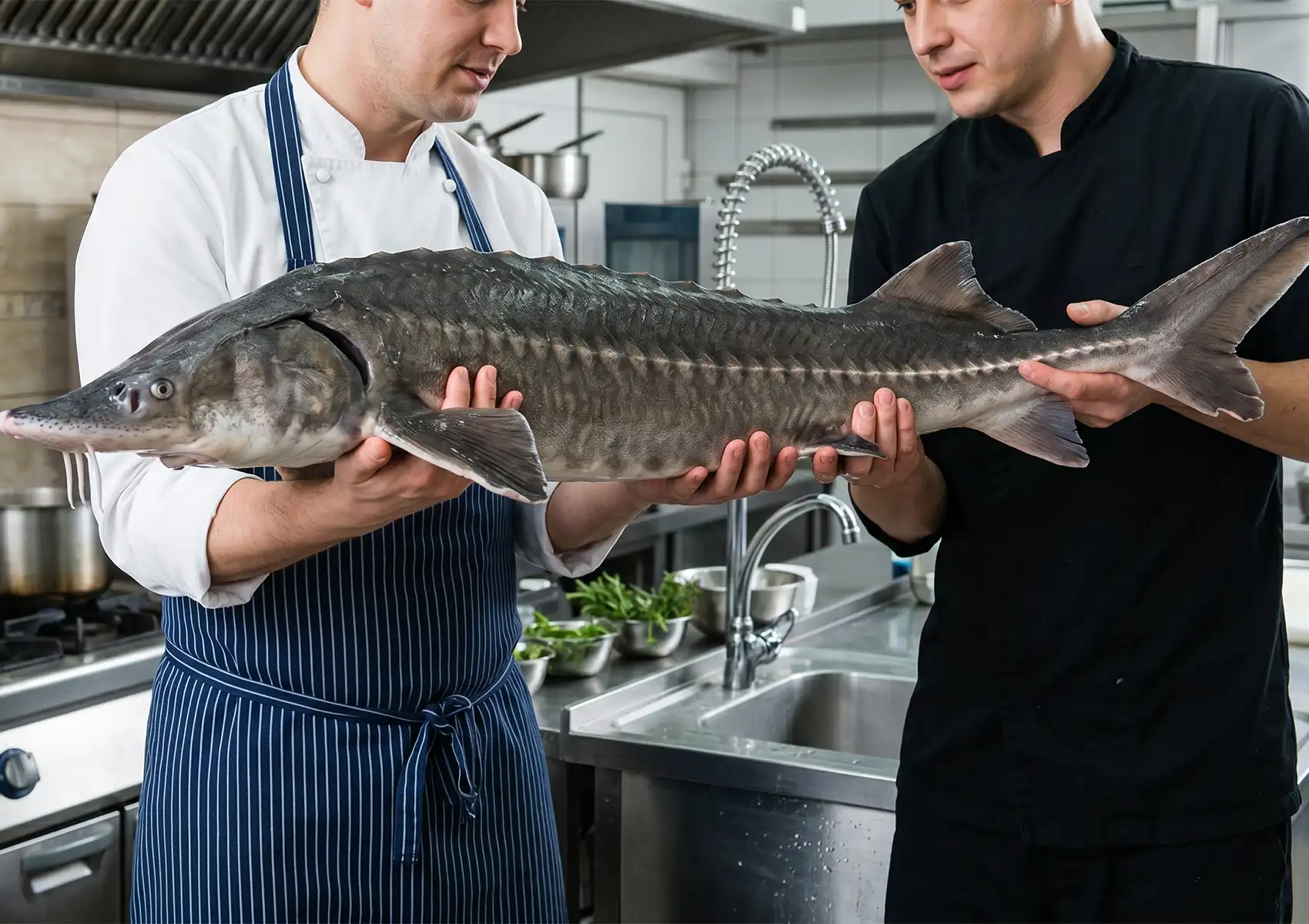
Step 1: Raising the Sturgeon with Patience and Care
The caviar-making process begins years before any egg reaches your table. Sturgeon are not fast-growing fish. A female sturgeon can take anywhere from 6 to 12 years, sometimes even longer, to reach sexual maturity and produce harvestable roe.
During this long growth period, the fish are raised in carefully controlled environments. Farmers monitor water quality, temperature, and oxygen levels daily. The sturgeon are fed a natural, species-appropriate diet to ensure their health and the quality of their eggs. This lengthy investment of time is the first reason why caviar is rare and valuable. You are not paying for a quick harvest. You are paying for over a decade of patient, expert care.
Step 2: Selection and Extraction of the Roe
How do farmers know when a female sturgeon is ready? They do not guess. Modern farms use technology to look inside the fish without harming them. High-frequency ultrasound scans allow experts to assess the size and quality of the roe sacs. In some cases, a tiny biopsy may be taken to refine the analysis.
Once the eggs are deemed perfect, the extraction process begins. The traditional method, still used by many producers, involves humanely euthanising the fish to remove the roe sacs. However, you may have heard about no-kill methods.
Today, some farms use a “milking” technique. The female is injected with a special protein that helps detach the roe from the sac. The eggs are then gently massaged out of the fish naturally, allowing the sturgeon to live on and produce caviar again in future years. There is also a C-section method using a small incision. While these no-kill methods are more humane and sustainable, they require even greater skill and can sometimes compromise egg consistency. Many premium producers still prefer the traditional method because it best preserves the integrity and texture of the caviar.
Step 3: Rinsing and Draining for Purity
Once the roe sacs are removed, the real craftsmanship begins. The eggs are carefully passed through a mesh sieve. This separates the individual pearls from the surrounding membrane tissue. The goal is to keep every single egg intact because broken eggs affect both appearance and texture.
The loose eggs are then rinsed with clean, cold water to remove any remaining impurities. This step is followed by draining, which removes excess moisture while keeping the eggs firm and elastic.
Step 4: The Malossol Salting Process
Salting is what distinguishes great caviar from mediocre caviar. The traditional method is called Malossol, which means “low salt” in Russian. The caviar maker adds a precise, minimal amount of salt, usually between 3% and 5%, to the eggs.
Why is this step so critical? Salt does three things. First, it preserves the roe. Second, it enhances the natural flavour. Third, it affects the final texture. Too much salt ruins the delicate taste. Too little salt does not properly preserve the eggs. Master caviar makers guard their salting recipes like state secrets. This light salting allows the true taste of the sturgeon’s eggs to shine through without being masked by brine.
Step 5: Grading and Quality Selection
Not all caviar from the same fish is equal. After salting, the caviar is carefully graded. Producers look at several key factors:
- Grain size: Larger eggs are generally more prized, especially for Beluga caviar.
- Colour consistency: Premium caviar has uniform colour, ranging from light silver to deep grey or golden brown, depending on the species.
- Texture firmness: The eggs should be intact, firm, and separate.
- Aroma and flavour: There should be no fishy smell, only a clean, subtle scent of the sea with buttery or nutty notes.
Higher-grade caviar is packed separately and commands a higher price. The lower grades might be used for pressed caviar or other products. At Caviar Indonesia, our suppliers select only caviar that meets strict international quality standards before offering it to you.
Step 6: Packaging in Original Tins
After grading, the caviar is carefully weighed and placed into metal tins. These are often called “original tins.” The tins are filled, the lids are gently pressed down to remove air pockets, and the tins are sealed.
This is not just about packaging. The tin plays a role in the final flavour development. Airtight metal allows the caviar to rest and mature without outside contamination.
Step 7: Maturation The Hidden Step That Builds Flavour
Here is a step that many people do not know about. Freshly packed caviar is not ready to eat immediately. It needs to rest. The sealed tins are placed in a cold room at around 0°C to 3°C.
This resting period, called maturation, can last anywhere from 3 to 4 months for some caviars and up to 14 months for premium Oscietra varieties. During this time, the salt distributes evenly throughout the eggs. The natural oils (called exudate) are absorbed, and the flavour becomes more complex and balanced. Some producers even turn the tins over weekly to ensure even maturation. This patience is rewarded with a deeper, more harmonious taste.
Step 8: Cold Storage and Final Delivery
Caviar is highly perishable. It must remain refrigerated at controlled temperatures from the moment it is packed until you open the tin at home. Reliable suppliers use temperature-controlled storage and insulated shipping containers.
When you order through Caviar Indonesia, you receive products that have been handled in accordance with these strict international guidelines. The cold chain is never broken, ensuring that the texture and flavour are exactly as the producer intended.
How Long Does It Really Take to Make Caviar?
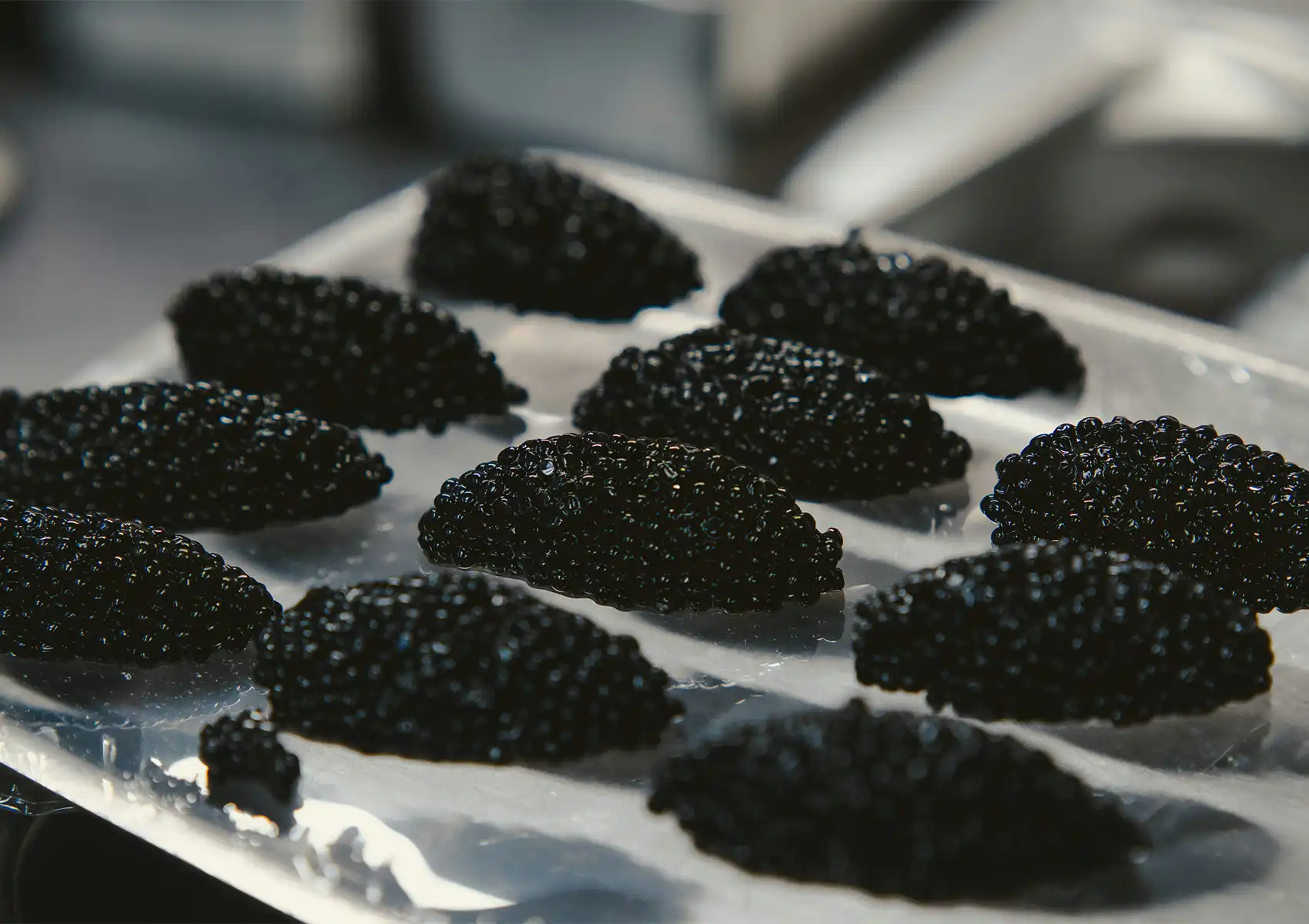
If you count from the birth of the sturgeon to the finished tin on your table, the process takes between 8 and 15 years. Most of that time is the fish growing to maturity. The actual hands-on production from harvest to packaging takes only a few hours. But the years of waiting and the weeks of maturation are what give caviar its legendary status.
A Note on Caviar Substitutes and Sustainability
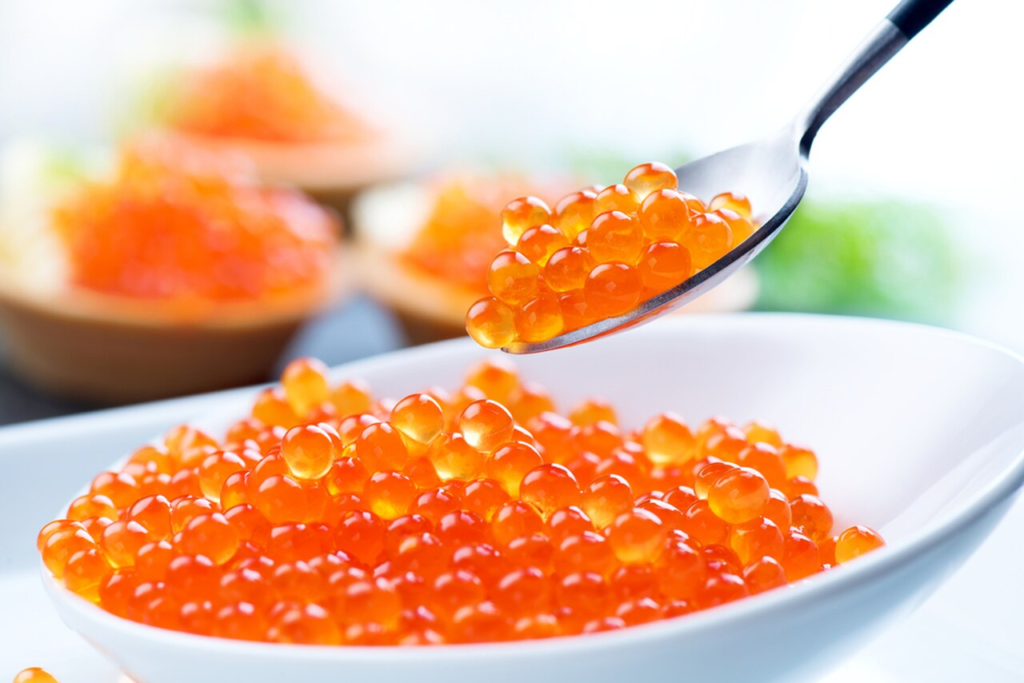
You may see products labelled as “caviar” that come from salmon, trout, or lumpfish. These are not true caviar. They are roe substitutes. Some modern products even use seaweed or algae to create vegan caviar alternatives. While these can be interesting, they do not offer the complex, creamy, nutty flavour of real sturgeon caviar.
Regarding sustainability, wild sturgeon are critically endangered. All reputable caviar today comes from farm-raised sturgeon. This protects the wild populations while allowing you to enjoy this delicacy with a clear conscience. Many farms, like the ones we partner with, follow strict environmental standards.
Why Understanding This Process Matters
Knowing how caviar is made changes how you experience it. You are not just eating fish eggs. You are tasting over a decade of patience, generations of craftsmanship, and a precise sequence of steps, each performed by hand. Every pearl on your spoon represents a small miracle of nature and human skill.
When you choose a trusted supplier like Caviar Indonesia, you are ensuring that every step from the sturgeon farm to your home has been handled with care and expertise. You get the authentic taste, the perfect texture, and the true luxury experience.
Want to taste caviar made with this level of care?
Now that you understand how caviar is made from two decades of patient farming to the delicate Malossol salting process. It is time to experience the craftsmanship for yourself.
Caviar Indonesia sources only from farms that follow ethical, sustainable practices, from ultrasound monitoring to humane harvesting.
Explore our authentic caviar collection at caviar.id.
Frequently Asked Questions
- How is caviar made without killing the fish?
Some farms now use a “milking” method. A protein is injected to loosen the eggs, which are then gently massaged out of the live fish. This is called a no-kill or humane harvest. - Why does caviar need to be salted?
Salt preserves the delicate roe and enhances its natural flavour. The best caviar uses a minimal-salt method called Malossol to preserve its pure taste. - Can I freeze caviar to make it last longer?
Freezing is not recommended. It damages the egg structure and ruins its delicate texture. Caviar should always be kept chilled, never frozen. - How should I serve caviar at home?
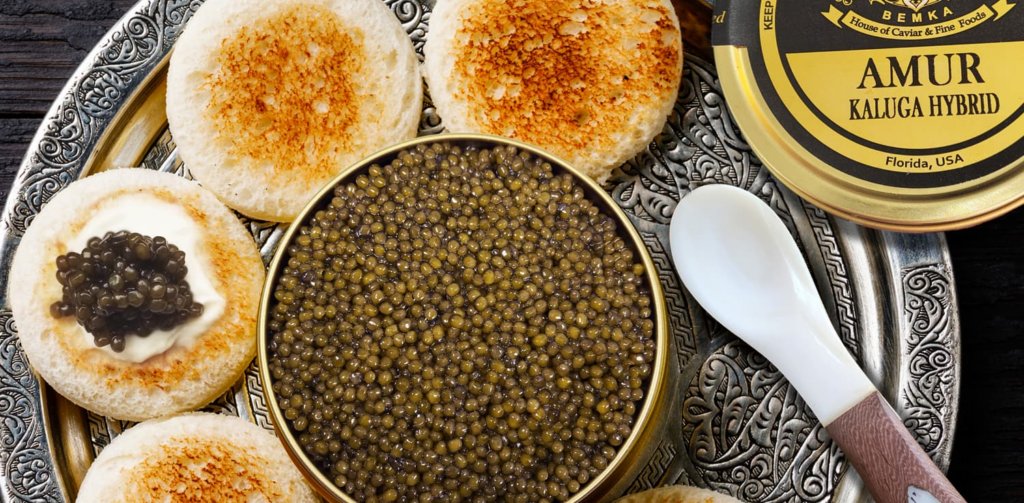
Keep it chilled until the last moment. Use a non-metallic spoon (mother-of-pearl is traditional) to avoid altering the flavour. Serve simply with blinis, toast points, or crème fraîche. - What is the difference between black caviar and golden caviar?
The colour depends on the sturgeon species and its diet. Golden caviar often comes from albino or hybrid sturgeon. It is extremely rare and expensive, but its flavour is similar to that of premium black caviar.