This Luxury Food Trends in Indonesia Guide covers the top luxury foods gaining attention in Indonesia. It explains what makes each one special, why it is trending and what to check so you get what you pay for.
Caviar
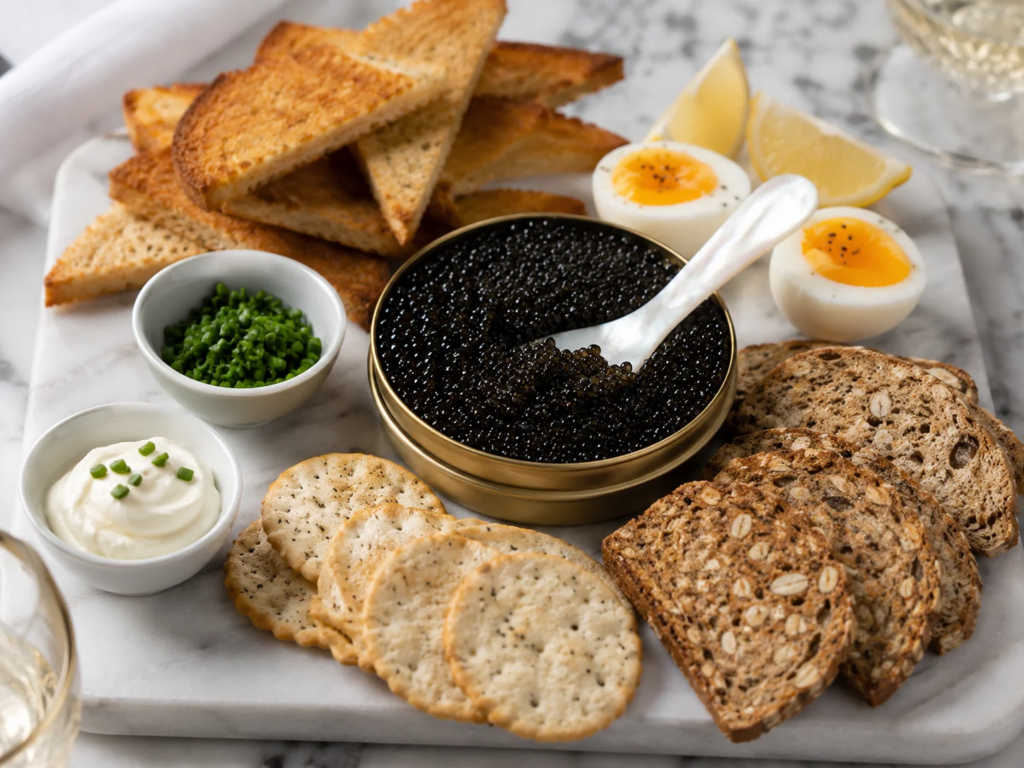
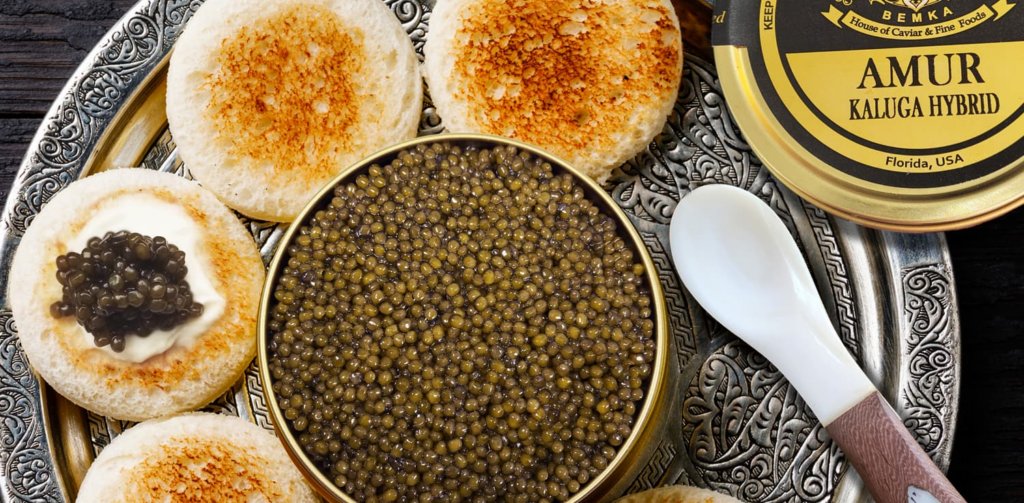
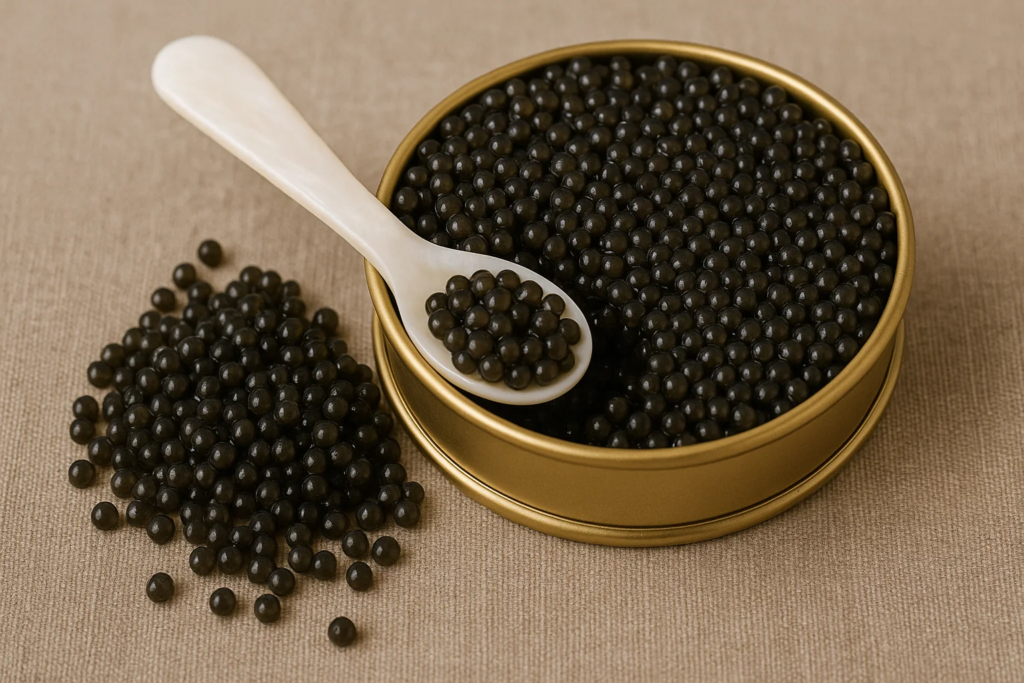
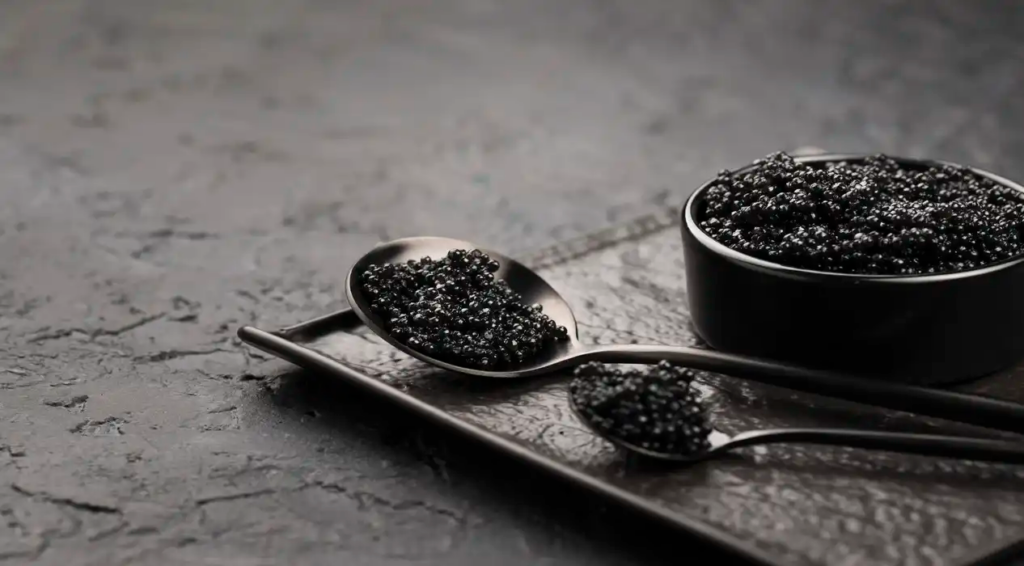
Caviar is one of the world’s most prized foods and it is gaining popularity in Indonesia. It is the salted eggs (roe) of sturgeon, a large fish found in rivers and seas across Europe and Asia. Sturgeon can take a decade or more to produce eggs, leading to high costs.
Why caviar is trending in Indonesia
- It is becoming easier to try. InterContinental Jakarta Pondok Indah holds a monthly Caviar Edition dinner in its all-day restaurant.
- It is becoming the star of the meal. In Bali, Mozaic hosts six-course dinners built around caviar.
- Chefs are pairing it with Indonesian flavours. At Apéritif Restaurant in Ubud, caviar has been served with cuttlefish and kemangi (lemon basil). It shows caviar doesn’t have to be served the classic Western way.
If you want to try caviar:
- Check the species. Different sturgeon produce different caviar. Beluga has large, soft pearls and a buttery flavour, while Oscietra has firmer pearls and a nuttier taste. Do not choose by price alone.
- Check the producer and origin. The same species can be farmed in different countries, and quality varies by producer.
- Keep it cold. Caviar is perishable. Refrigerate it and open the tin only when you are ready to serve it.
- Keep the pairing simple. Caviar can be eaten on its own or with simple foods like plain or lightly salted potato chips.

Indonesian Craft Chocolate
Indonesian cacao is being turned into premium craft chocolate. Local makers produce single-origin and bean-to-bar chocolate using cacao from regions across the country.
Its appeal is the flavour. Cacao from different regions can taste different. Pipiltin Cocoa, for example, describes its Aceh cacao as nutty, Bali as fruity and creamy, and Flores cacao as having hints of clove and orange.
Why craft chocolate is trending in Indonesia
- There is more focus on cacao origin. Makers offer bars from Aceh, Bali, East Java, Kalimantan and Papua, so you can choose by region.
- Indonesian chocolate is gaining international recognition. In 2025, Krakakoa was named one of the world’s 100 best chocolates by TasteAtlas.
- More chocolate lovers are paying attention to cocoa percentages and subtle flavours.
If you want to try Indonesian craft chocolate:
- Look for ‘single-origin’ and the region. Single-origin chocolate uses cacao from one place, so you can taste how regions differ.
- Look for ‘bean-to-bar’. It means the maker produces the chocolate from cacao beans rather than starting with ready-made chocolate. The producer has more control over the flavour.
Premium Seafood
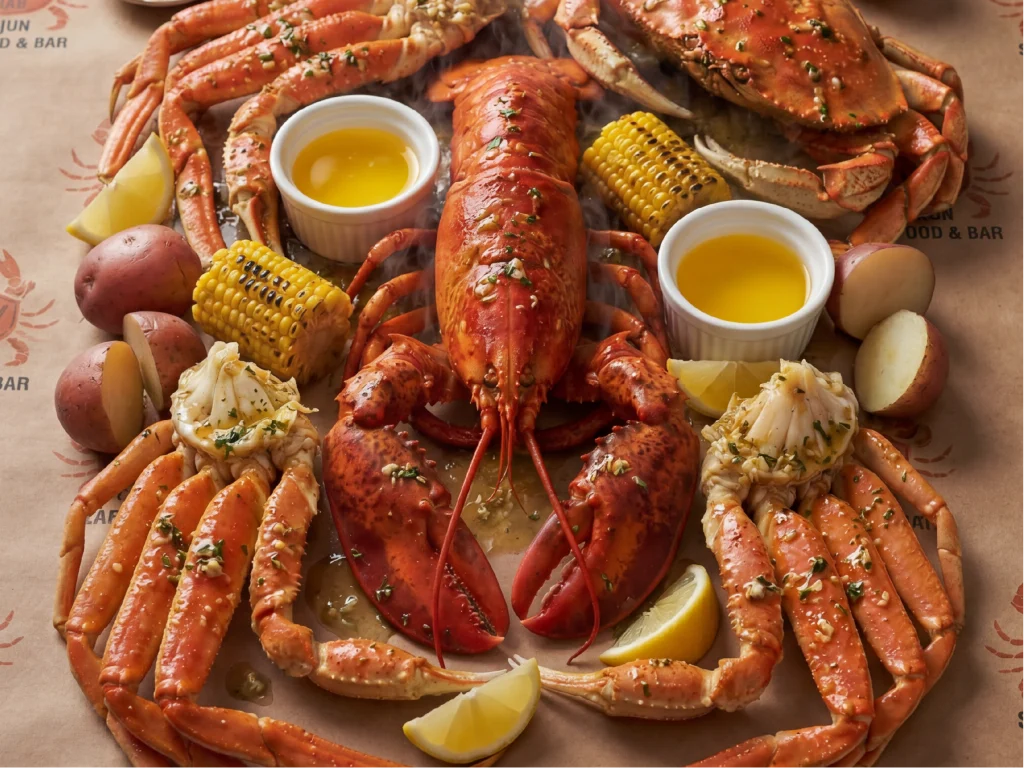
Premium seafood is prized for its freshness, flavour and texture. At its best, it can taste clean and sweet, with delicate or firm flesh depending on the variety. Some seafood is harder to find because it comes from specific waters or is available only at certain times of the year. Sustainable seafood in Indonesia has become a rising trend and key talking point, with buyers demanding ethically sourced seafood especially in tourist hot spots like Bali.
Why premium seafood is trending in Indonesia
- Some top Indonesian restaurants are treating selected local seafood as a luxury just like imported seafood. They name where their local seafood comes from, making its origin part of its value. At Rumari, Raffles Bali, the menu has featured crayfish from Sibang and mud crab from West Sumatra.
- Some restaurants fly seafood in from Japan. OKU at Hotel Indonesia Kempinski receives seafood twice a week from Tokyo’s Toyosu Market.
If you want to try premium seafood:
- Ask where it comes from. The source, freshness and handling matter.
- Ask what is in season. The best choice changes through the year, and it is not always the most expensive item on the menu.
- Choose simpler preparations when trying something special. Heavy sauces or strong seasoning can hide the flavour and texture you are paying for.
Japanese Wagyu
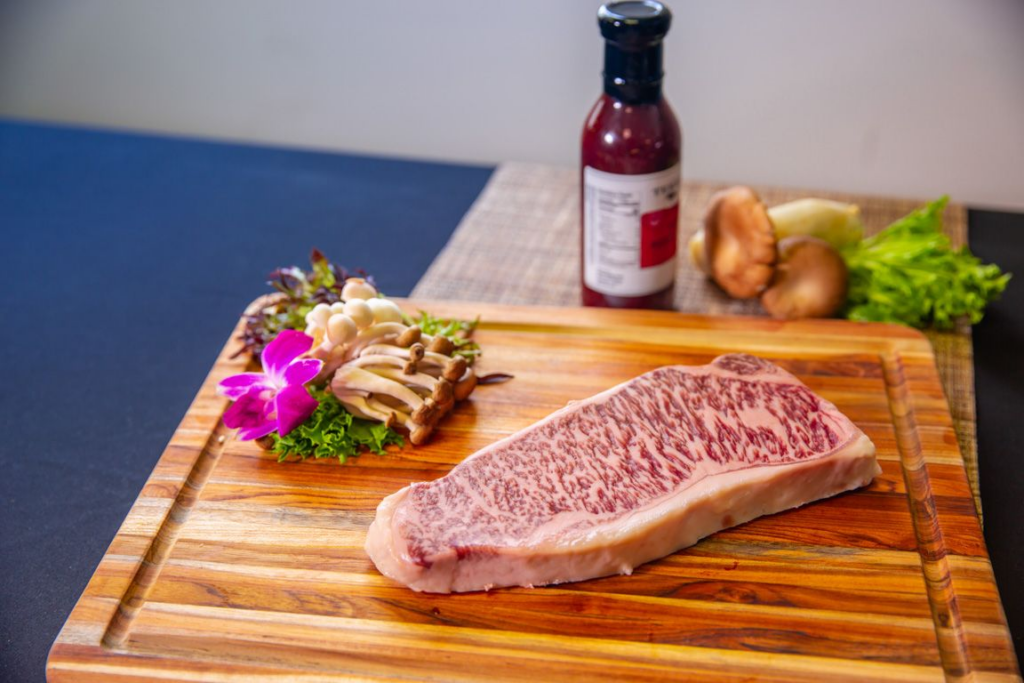
Wagyu beef is one of the most expensive types of beef worldwide. Its fine streaks of fat, called marbling, melt as the meat cooks. This gives it a rich flavour and soft, buttery texture.
Why Japanese Wagyu is trending in Indonesia
- More yakiniku (Japanese grill) restaurants are opening in Jakarta. Yakiniku Futago opened its first Jakarta outlet in 2025. Tokyo’s Yakiniku Jumbo followed in 2026. It serves Shiga’s Omi Wagyu.
- Halal-certified Japanese Wagyu is easier to find. Some Jakarta restaurants serve it, and exports from Japan to Indonesia are rising.
- You can check the origin of your Japanese Wagyu. Some restaurants offer certificates that trace their beef back to the farm in Japan.
If you want to try Japanese Wagyu:
- Check its origin. Look for Japan or regions like Kagoshima, Miyazaki or Omi.
- Check the grade. A5 is the top grade in Japan’s grading system.
- Check the halal certification if you need it. Do not assume all Wagyu is halal.
Discover Authentic Caviar in Indonesia
Caviar Indonesia specialises in authentic sturgeon caviar from established international aquaculture producers. Its range includes Beluga, Royal Oscietra, Sevruga, Kaluga Hybrid, Siberian and White Sturgeon, with delivery across Indonesia. Explore the range to find the species that suits your taste.